Rainwater Tank Installation in Bridgeman Downs
Plumbing the tank into the house is the heart of rainwater tank installation in Bridgeman Downs: cisterns, laundry and garden taps all drawing off the roof. Our Bridgeman Downs plumbers run the whole line, from the diverter up top to the final joint at the toilet.
If we're late, $100 comes off your bill

- Licensed and InsuredEvery job done by a licensed plumber. QBCC No: 15024607
- Fixed Quote FirstFlat-rate pricing, agreed before any work starts
- Lifetime Labour WarrantyBacked by our Fix-It-or-It's-Free guarantee (T&Cs apply)
- $0 Call-Out FeesNo extra charge for nights, weekends or public holidays
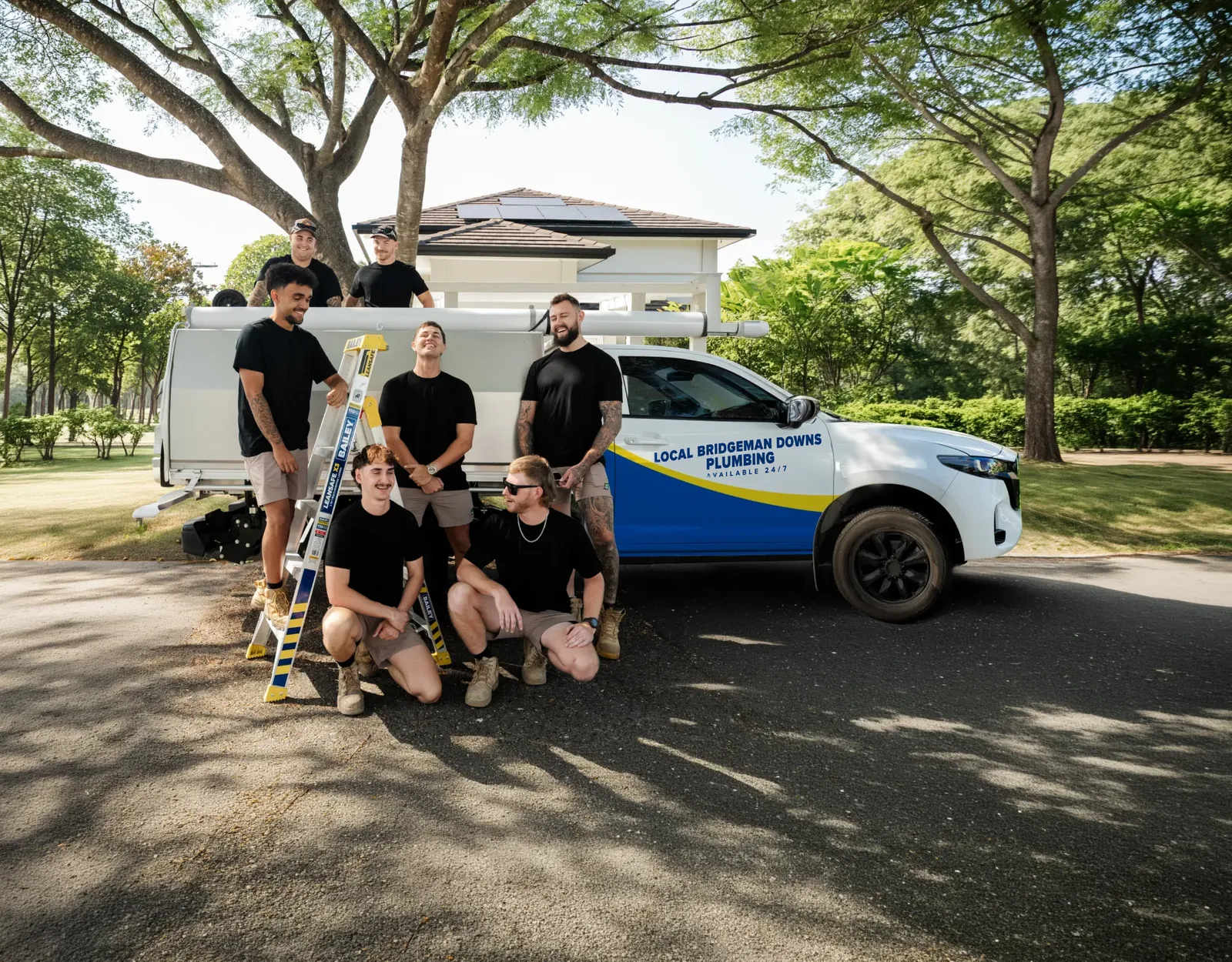
Every job is done by a licensed plumber, and $0 call-out fees apply.

From Roof to Toilet and Laundry Tap
The route is short: rain runs off the roof, past a first flush diverter, into the tank through a screened inlet. From there a plumbed outlet feeds the toilets, the cold laundry tap and the garden taps.
A licensed plumber joins the tank to the house. That crossover is regulated plumbing work in Queensland.
Three fittings decide how well the setup performs:
First flush diverter
tips the dirtiest opening splash of runoff to waste, so roof debris never reaches the stored water.
Screened inlet
fine mesh over each opening, counting the overflow pipes.
Plumbed outlet
pipe sized so a cistern refills at full strength.
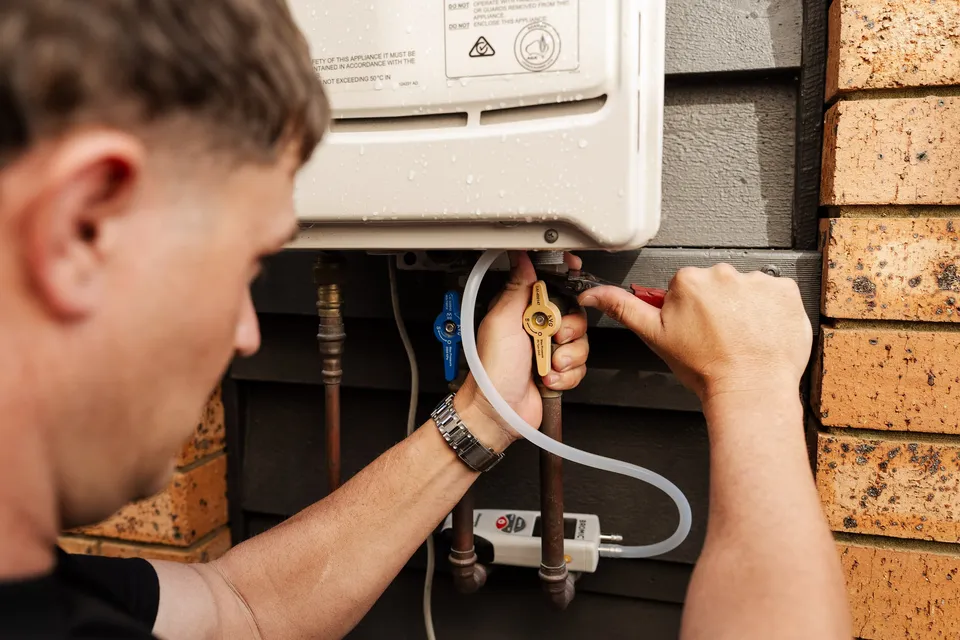
A weeping joint on the outlet side is ordinary water pipe repair work for our team. Toilets fed off a tank generally want pressure on the line, and our water tank pumps page covers that end of the setup.
Where a Tank Can Go and Who Approves It
The council settles the paperwork before anything gets ordered. Planning approval, plumbing approval and building approval can each apply, guided by where the tank will sit and how big it runs.
The Bushfire overlay code can also come into play. So can extra conditions on tanks plumbed indoors.
Ring the council first for its guidelines. That is where the QBCC says a tank job starts.
Safe Uses of Tank Water Around the House
Tank water harvested off a roof suits three jobs around the home without further treatment: flushing toilets, feeding the cold laundry tap and watering gardens and lawns. Those uses carry a low disease risk.
Drinking and cooking stay on town water, unless the property has no town connection at all. Town water remains the safest and most reliable supply wherever a main reaches the property.
Where each supply belongs:
Toilets, laundry cold, garden
tank water, untreated.
Drinking, cooking, showers
town water from the main.
Filtered tap water
a town-pipe topic, covered on our water filter installation page.
First Flush, Screens and Tank Upkeep
The maintenance routine runs on a fixed clock: clean the first flush device every three months, check the mesh and flap valves every six months, and inspect for settled sediment every two to three years. A tank that lets mosquitoes breed risks an on-the-spot penalty of up to 3 penalty units.
Your checks, by interval:
Every three months
clean the diverter, and open the device for a rinse-out after heavy rain.
Every six months
mend any rips or holes straight away, clear built-up leaf litter off the roof, prune branches overhanging the catchment and shut any gap where birds, insects or animals could squeeze in.
Every two to three years
look inside for sludge, then siphon it away or drain the tank right down if the sediment covers the floor.
Fresh tank screens go on in stainless steel or aluminium gauze with openings below one millimetre, fitted so each one lifts off for a scrub.
What the Big Blocks Give a Tank
Homes in this suburb suit a tank almost by design. Detached houses made up 87.6 per cent of dwellings at the last census, and acreage lots still sit in the mix out toward the northern fringe.
The rain does its part too. Records put average annual rainfall near 1073 millimetres, and the November to March storms deliver a fair share of it, so a wide roof refills a tank quickly.
Big trees over the wide lots drop leaves and limbs onto roofs between storms. Those same trees are why the pre-wet-season diverter clean-out and screen check matter most here, ahead of the first heavy falls.
How Your Tank Connection Runs
- 1

Tell us what's happening
Call (07) 3524 7163 or send the form with a few details about the problem in Bridgeman Downs. A clear description helps us bring the right parts.
- 2
We scope the tank job
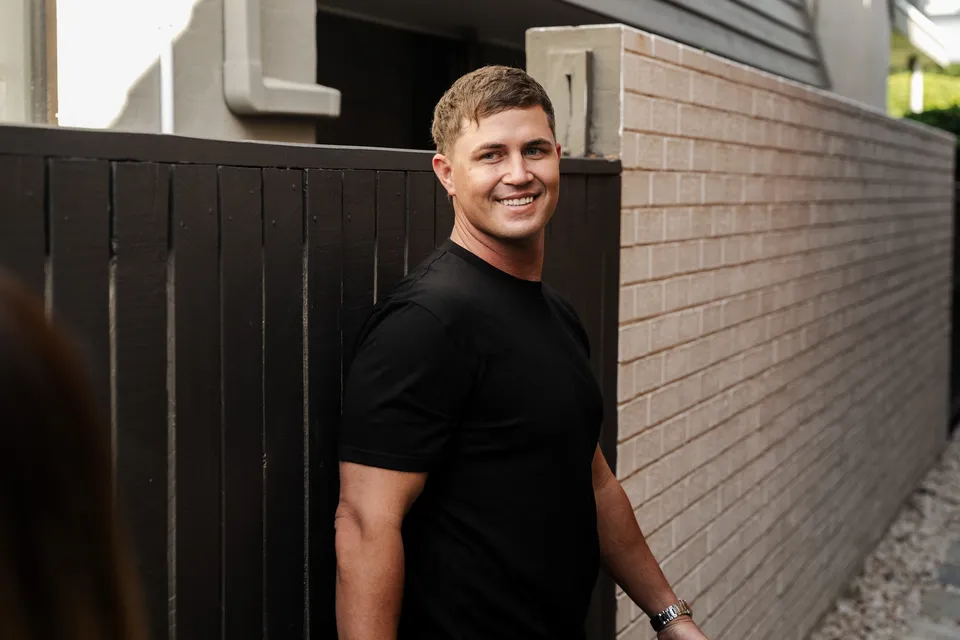
We come out, look over the tank position, the roof catchment and the pipe path to your fixtures, and check every screen and overflow fitting. You see the whole plan before anything is joined.
- 3
Approve a fixed price
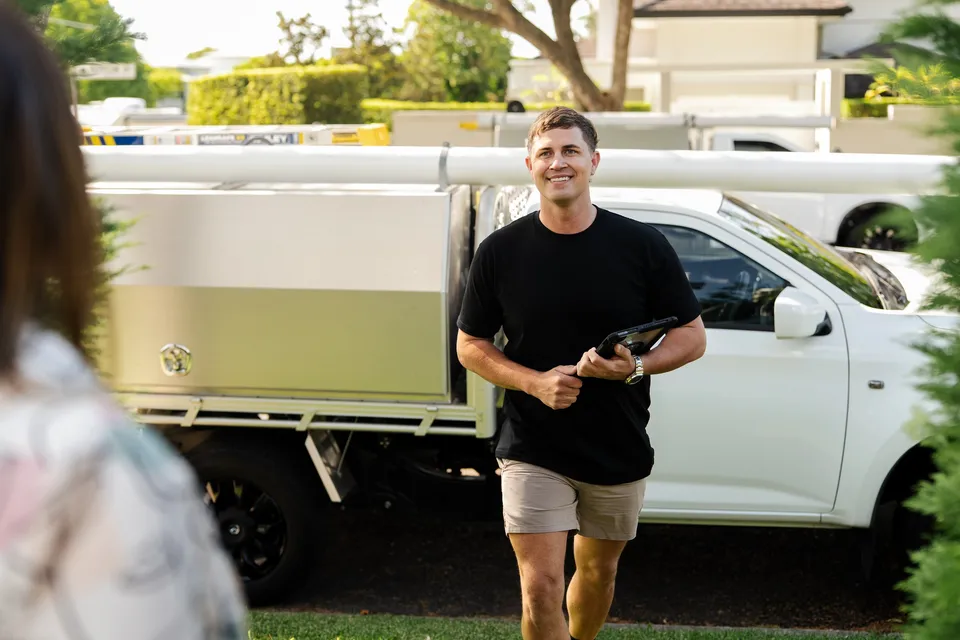
You get a fixed quote before any work starts, with flat-rate pricing and no hidden fees. Nothing goes ahead until you say yes.
- 4
Pay when it's finished
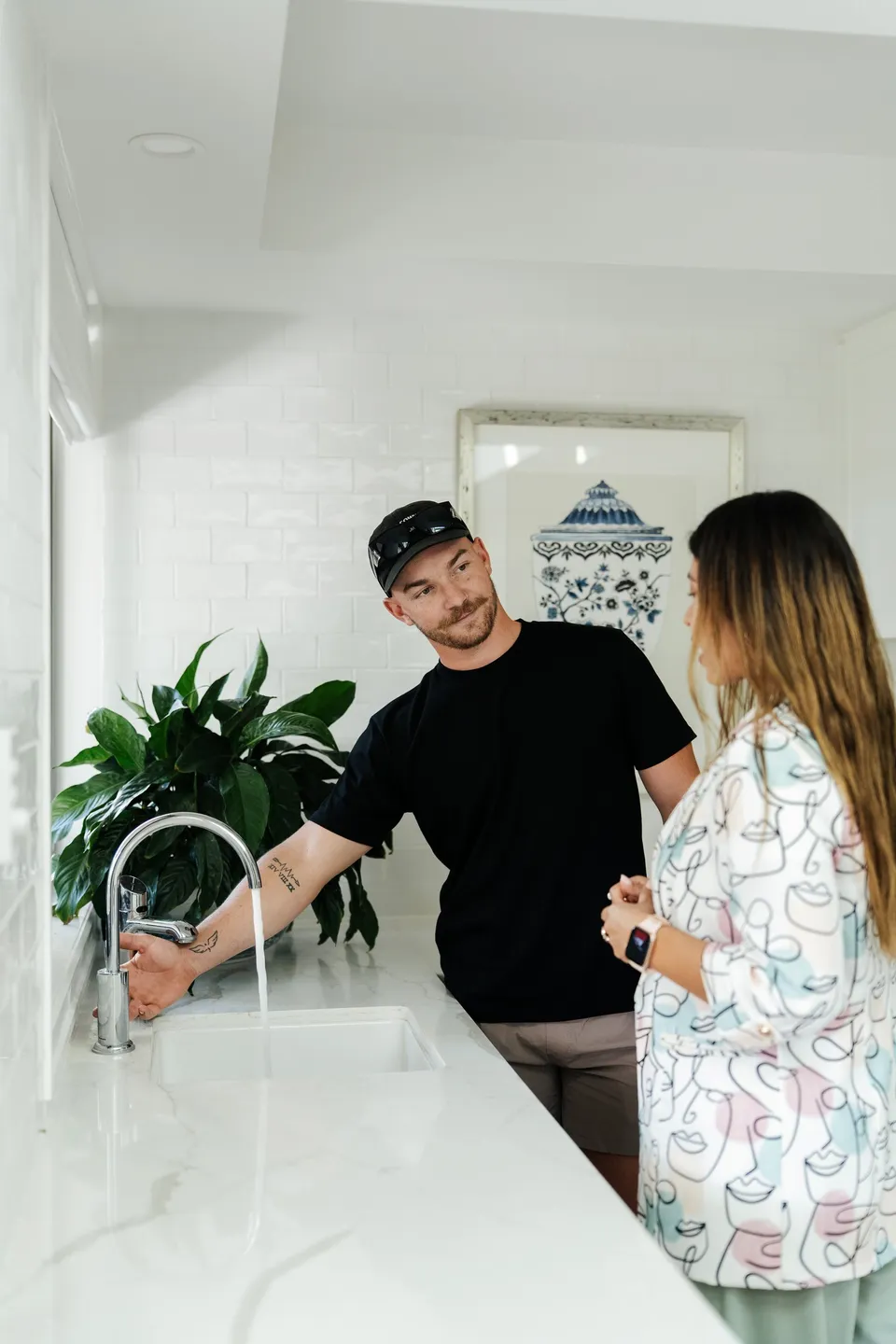
Pay by card or EFTPOS on site once the job's done, or ask about Fix now, pay later.
Plumbing job in Bridgeman Downs?
$0 call-out fees, available 24/7, and same-day where we can.
Rainwater Tank Questions From Bridgeman Downs
Call (07) 3524 7163Can I connect a rainwater tank to my toilet myself?
No, not once tank water feeds a toilet or a washing machine tap. Queensland treats that pipework as regulated plumbing, so a licensed plumber does the joining. Owners and handymen sit outside that rule.
What is a first flush diverter and do I need one?
A first flush diverter is the fitting that throws the first slug of roof runoff to waste, keeping roof debris out of the stored water. Brisbane City Council advises fitting one, and the leafy big blocks around Bridgeman Downs keep a diverter busy.
Does my rainwater tank need mosquito screens?
Yes, over every opening on a fresh tank, overflow pipes included. Brisbane's spec is stainless steel or aluminium gauze with gaps below one millimetre. A tank that lets mosquitoes breed risks an on-the-spot penalty of up to 3 penalty units.
What affects the cost of a rainwater tank install in Bridgeman Downs?
Flat-rate pricing, quoted fixed before work starts, moves with two drivers: how many fixtures draw from the tank, and how far the pipe has to run to reach them. A pump or a town-water top-up line adds to the job.
How do I get rid of sludge in the bottom of my tank?
Look inside for settled silt at intervals of two to three years. When sludge blankets the tank floor, siphon the build-up away or drain the whole tank down for a clean-out.

Book Your Tank ConnectionWe'll call you back.
Call (07) 3524 7163 to book a plumber in Bridgeman Downs. We're available 24/7, with $0 call-out fees, flat-rate pricing and same-day where we can.
To claim your $0 call-out fee, call (07) 3524 7163 today.